
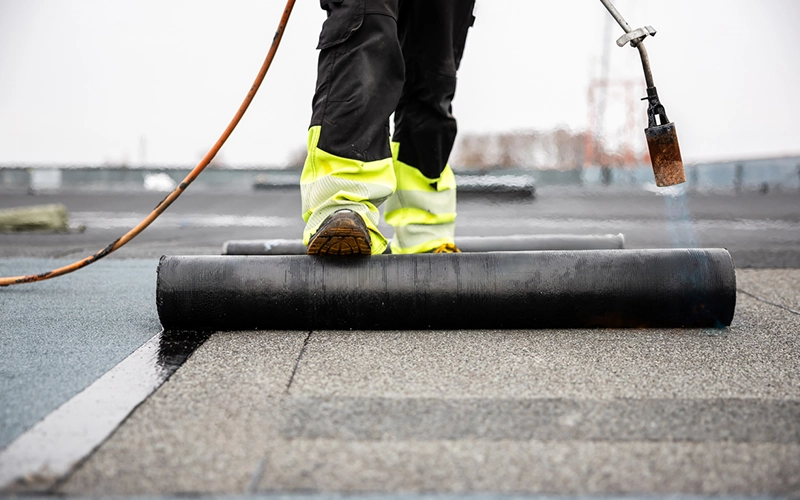
Commercial Fabric Roof Systems: 7 Powerful Benefits for Businesses
Looking for a modern, cost-effective roofing solution for your business?
commercial fabric roof systems are rapidly gaining popularity across industries—and for good reason. They’re lightweight, durable, energy-efficient, and surprisingly versatile.
In this beginner-friendly guide, you’ll learn what fabric roofing is, its key benefits, costs, and whether it’s the right choice for your business.
Upgrade durability with our high-performance Full Fabric Roofing Systems.
What Are Commercial Fabric Roof Systems?
Commercial fabric roof systems are roofing structures made from durable, flexible membranes stretched over a framework.
They are commonly used for:
- Warehouses
- Stadiums
- Retail spaces
- industrial fabric roof solutions
How Fabric Roofing Works
Fabric roof installation services use tension-based engineering in commercial tensile roofing to create strong, weather-resistant structures.
Key Components:
- Structural frame (steel or aluminum)
- Fabric membrane (PVC, PTFE, ETFE)
- Anchoring system
7 Powerful Benefits of Commercial Fabric Roof Systems
Cost-Effective Installation
Fabric roofs are significantly cheaper than traditional materials like concrete or metal.
Why?
- Lightweight materials
- Faster installation
- Reduced labor costs
Review roofing material performance insights here.
Energy Efficiency
Fabric membranes reflect sunlight and reduce heat absorption.
Result:
- Lower cooling costs
- Improved indoor comfort
Fast Installation Time
Traditional roofs can take months—fabric roofs often take weeks.
📖 People also read about:
Benefit:
- Minimal business disruption
Lightweight Structure
Fabric roofs are much lighter than metal or concrete systems.
Advantage:
- Less structural stress
- Ideal for large-span buildings
Durability and Weather Resistance
Modern commercial membrane roofing materials are designed to withstand:
- UV radiation
- Heavy rain
- Wind loads
Design Flexibility
Custom fabric roof panels can be customized into unique shapes and designs.
Perfect for:
- Branding
- architectural fabric roofing
Low Maintenance Requirements
Compared to traditional roofing, fabric systems require minimal upkeep.
Types of Commercial Fabric Roof Systems
PVC Fabric Roofing
- Cost-effective
- Good durability
PTFE Fabric Roofing
- High performance
- Long lifespan
ETFE Roofing Systems
- Lightweight and transparent
- Ideal for modern designs
Cost Comparison: Fabric vs Traditional Roofing
| Roofing Type | Installation Cost | Maintenance | Lifespan |
| Fabric Roofing | Low–Medium | Low | 15–30 years |
| Metal Roofing | Medium–High | Medium | 30–50 years |
| Concrete Roofing | High | High | 40–60 years |
Installation Process (Step-by-Step)
Step 1: Site Assessment
- Evaluate building requirements
Step 2: Design Planning
- Custom fabric roof panels
Step 3: Frame Installation
- Install the supporting structure
Step 4: Fabric Attachment
- Stretch and secure the membrane
Step 5: Final Inspection
- Ensure safety and durability
Pros vs Cons of Fabric Roof Systems
Pros
- Cost-effective
- Energy-efficient
- Fast installation
- Lightweight
- Modern design
Cons
- Shorter lifespan than concrete
- Limited insulation in some cases
- Requires specialized installation
Expert Tips Before Choosing Fabric Roofing
- Choose high-quality, durable commercial roof membranes
- Work with experienced installers
- Consider climate conditions
- Plan for future expansion
- Compare with industrial fabric roof solutions
Quick Answers
What are commercial fabric roof systems?
Commercial fabric roof systems are lightweight roofing structures used in commercial tensile roofing made from flexible membranes stretched over a frame, commonly used in industrial fabric roof solutions.
📖 People also read about:
Why are fabric roofs popular for businesses?
They are affordable, energy-efficient, quick to install, and offer modern design flexibility, making them ideal for commercial applications.
How long do fabric roofs last?
Fabric roofs typically last 15–30 years, depending on the material and maintenance.
💡 Need help?
We offer professional roof maintenance services missouri to help you achieve your goals.
Are durable commercial roof membranes actually durable?
Yes, high-quality fabric roofs are designed to withstand harsh weather conditions, including UV exposure and heavy rain.
Are fabric roofs energy-efficient?
Yes, they reflect sunlight and reduce heat absorption, lowering cooling costs.
Comparison: Fabric Roofing vs Metal Roofing
| Feature | Fabric Roofing | Metal Roofing |
| Weight | Very Light | Heavy |
| Cost | Lower | Higher |
| Installation Time | Fast | Slow |
| Design Flexibility | High | Limited |
FAQs
Are fabric roofs suitable for all businesses?
Yes, but they are best suited for large-span structures like warehouses, stadiums, and industrial facilities.
Can fabric roofs handle extreme weather?
High-quality systems are designed to withstand wind, rain, and UV exposure.
Do fabric roofs require insulation?
Some systems may require additional insulation depending on the climate.
How are fabric roofs maintained?
Maintenance includes cleaning and periodic inspections for wear or damage.
Are fabric roofs eco-friendly?
Yes, many materials are recyclable and energy-efficient.
Can fabric roofs be customized?
Yes, custom fabric roof panels offer high design flexibility for unique architectural fabric roofing needs.
Is installation disruptive to business operations?
No, installation is typically fast and minimally disruptive.
Conclusion: A Smart Roofing Choice for Modern Businesses
Commercial fabric roofing is more than a trend—it’s a smart investment. With benefits like cost savings, energy efficiency, and design flexibility, commercial fabric roof systems are transforming how businesses approach roofing. Thinking about upgrading your commercial roof?
- Explore fabric roofing options today
- Consult a roofing expert
- Make a cost-effective, future-ready decision