
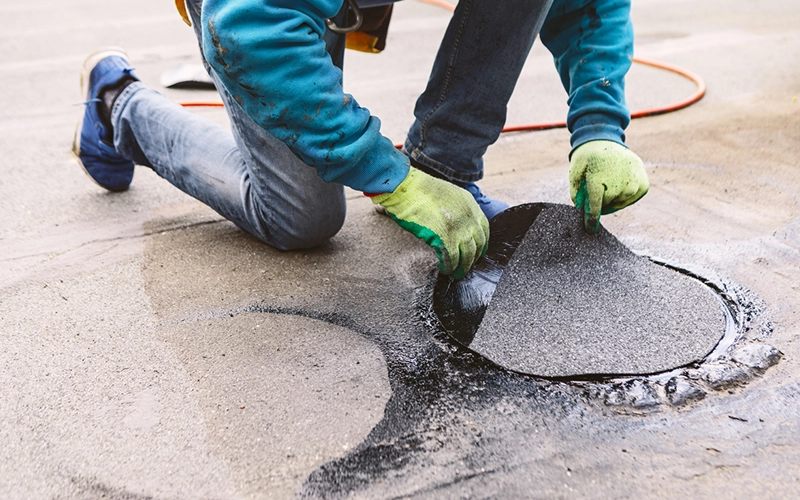
Flat Roof Leak Repair: 7 Causes + Easy Fixes (Beginner Guide)
Flat roofs are sleek, modern, and cost-effective—but they come with one major downside: leaks. If you’re dealing with water stains, pooling water, or mysterious drips, you’re not alone. Understanding flat roof leak repair is essential to protecting your home or building—and avoiding expensive damage. This beginner-friendly guide breaks down the 7 most common causes of flat roof leaks and shows you exactly how to fix them—step by step.
Learn more about our expertise and industry experience; visit our About Us page.
What Is a Flat Roof Leak?
A flat roof leak occurs when water penetrates the roofing surface due to damage, wear, or poor drainage.
Unlike sloped roofs, flat roofs don’t shed water quickly. This makes them more vulnerable to:
- Standing water
- Membrane damage
- Structural wear
Commercial roofing must meet codes established by the International Code Council.
Why Flat Roofs Leak More Often
Flat roofs are not perfectly flat—they have a slight slope. However, even small drainage issues can lead to water accumulation.
Key reasons:
- Poor drainage systems
- Weather exposure (UV, rain, snow)
- Outdated flat roof repair materials
- Improper installation
7 Common Causes of Flat Roof Leaks (and Fixes)
Ponding Water (Standing Water)
Problem:
Water that stays on your roof for more than 48 hours can weaken flat roof repair materials and cause leaks.
Fix:
- Improve drainage with tapered insulation
- Install additional drains or scuppers
- Use liquid roof repair coatings to seal affected areas
Damaged Roof Membrane
Flat roofs use membranes like EPDM, TPO, or PVC. Cracks or tears allow water to seep in.
Fix:
- Clean the area thoroughly
- Apply a patch using compatible roof repair help
- Use a fibreglass roof repair kit for durability
Cracked Flashing
Flashing seals edges and joints. Over time, it can crack or separate.
Fix:
- Remove damaged flashing
- Replace with new metal or rubber flashing
- Apply roof and gutter repair sealant
Blisters and Bubbles
Air or moisture trapped under the membrane creates bubbles.
📖 People also read about:
Fix:
- Cut open the blister carefully
- Let it dry completely
- Seal with roofing adhesive and patch
Clogged Drains and Gutters
Debris blocks water flow, leading to overflow and leaks.
Fix:
- Remove leaves and dirt regularly
- Install gutter guards
- Flush drains with water
Poor Installation
Incorrect installation can lead to seams opening or weak points.
Fix:
- Identify problem areas
- Reinforce seams with adhesive
- Consider professional roof repair help
Aging Roof Materials
Most flat roofs last 10–25 years. After that, leaky roof repair products degrade.
Fix:
- Apply a roof coating to extend lifespan
- Replace sections or entire roof if needed
Step-by-Step Flat Roof Leak Repair Guide
Follow this beginner-friendly process:
Step 1: Locate the Leak
- Check for water stains inside
- Inspect roof for cracks, bubbles, or pooling
Step 2: Clean the Area
- Remove dirt and debris
- Dry the surface completely
Step 3: Apply Patch or Roof and Gutter Repair Sealant
- Use roofing tape or patch kits
- Apply evenly and press firmly
Step 4: Seal Edges
- Apply waterproof roof and gutter repair sealant around patch
Step 5: Test Repair
- Pour water over repaired area
- Check for leaks
Prevent costly drainage issues with our specialized Roof Maintenance services designed for flat roofs.
📖 People also read about:
Best Leaky Roof Repair Products
| Flat Roof Repair Materials | Best For | Durability | Ease of Use |
| Liquid Rubber | Small cracks | High | Easy |
| EPDM Patch Kits | Rubber roofs | Very High | Moderate |
| Fibreglass Kits | Large repairs | Very High | Moderate |
| Roof And Gutter Repair Sealant | Quick fixes | Medium | Very Easy |
DIY vs Professional Flat Roof Repair
| Factor | DIY Repair | Professional Repair |
| Cost | Low | High |
| Skill Required | Moderate | None |
| Durability | Medium | High |
| Time | Quick | Scheduled |
When to DIY:
- Small cracks
- Minor leaks
When to hire pros:
- Structural damage
- Large leaks
- Recurring issues
Pros and Cons of Flat Roofs
Pros
- Affordable installation
- Easy maintenance access
- Modern design
Cons
- Higher leak risk
- Requires frequent maintenance
- Shorter lifespan
Expert Tips to Prevent Flat Roof Leaks
- Inspect your roof every 6 months
- Clean drains regularly
- Apply protective coatings annually
- Avoid heavy foot traffic
- Schedule preventive roof maintenance services
Quick Answers
What is the best way to repair a flat roof leak?
The best way to repair a flat roof leak is to clean the damaged area, apply a compatible patch or sealant, and ensure proper drainage. For long-term results, use flat roof repair materials like EPDM patches or liquid roofing membranes.
How long does flat roof repair last?
Flat roof repairs can last anywhere from 1 to 10 years depending on leaky roof repair products used, weather conditions, and maintenance. High-quality repairs with proper sealing tend to last longer.
Why does my flat roof keep leaking?
Recurring leaks are usually caused by poor installation, aging materials, or unresolved drainage issues. Fixing the root cause—not just the surface damage—is essential.
💡 Need help?
We offer professional roof maintenance services missouri to help you achieve your goals.
Can I repair a flat roof myself?
Yes, small leaks and cracks can be repaired using DIY flat roof repair kits. However, major damage or structural issues require professional help.
What is the cheapest way to fix a flat roof?
Using roof sealant or liquid rubber coatings is the cheapest way to fix minor leaks. These solutions are easy to apply and cost-effective for temporary repairs.
Comparison: Repair vs Replacement
| Option | Cost | Lifespan | Best For |
| Repair | Low–Medium | 1–10 years | Minor damage |
| Replacement | High | 20+ years | Severe damage |
FAQs
How do I find the source of a flat roof leak?
Look for water stains inside your home and inspect the roof for cracks, pooling water, or damaged seams. Leaks may not be directly above the visible damage.
What is the best sealant for flat roofs?
Liquid rubber and silicone-based sealants are the best options due to their flexibility, waterproofing ability, and durability in extreme weather.
How often should I inspect my flat roof?
You should inspect your flat roof at least twice a year—preferably in spring and fall—and after major storms.
Can ponding water cause permanent damage?
Yes, standing water can weaken roofing materials, leading to leaks, mold growth, and structural damage over time.
Is flat roof repair expensive?
Minor repairs are relatively inexpensive, but major damage or full replacement can be costly. Regular maintenance helps reduce long-term expenses.
What is the lifespan of a flat roof?
Flat roofs typically last 10–25 years, depending on leaky roof repair products and maintenance.
Do all flat roofs eventually leak?
Not necessarily. With proper installation, maintenance, and timely repairs, flat roofs can remain leak-free for many years.
Conclusion: Fix Leaks Early, Save Thousands
Flat roof leaks might seem small at first—but they can quickly turn into costly repairs if ignored.
By understanding the common causes of flat roof leaks and applying the right fixes, you can:
- Extend your roof’s lifespan
- Prevent structural damage
- Save thousands in repair costsa
Don’t wait for a small leak to become a major problem.
- Start your flat roof inspection today
- Try a DIY fix or consult a roofing expert
- Bookmark this guide for future repairs
Need help choosing the right repair solution? Ask your question below—happy to help!