
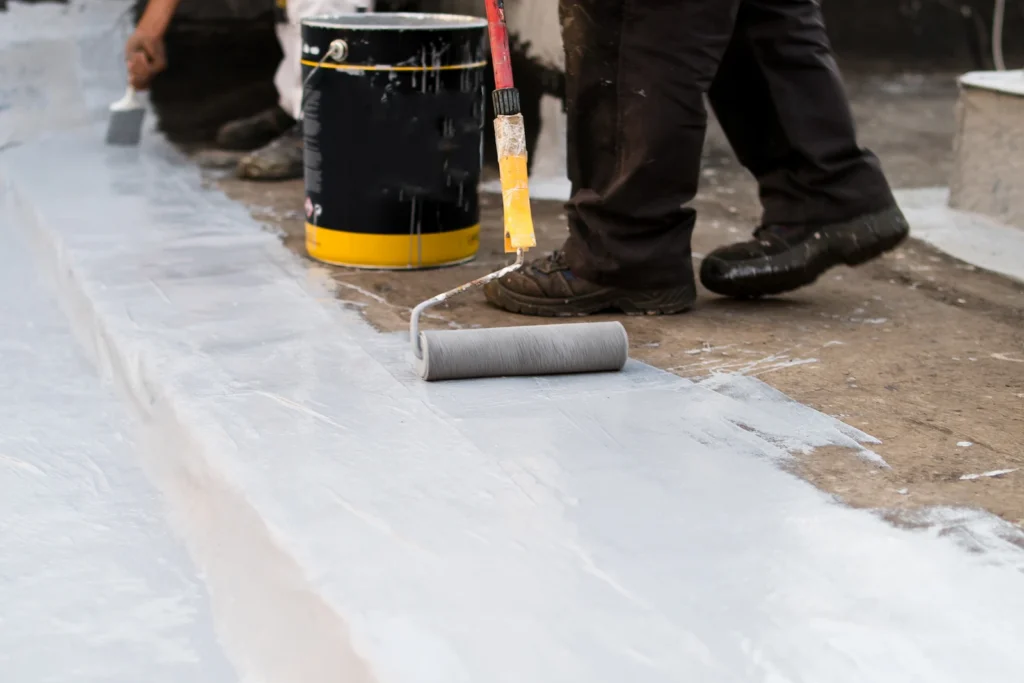
When Does a Flat Roof Need Restoration Instead of Replacement?
Not every aging roof needs to be torn off and replaced.
Many commercial flat roofs begin showing signs of wear long before they reach the end of their service life. Surface weathering, minor leaks, UV damage, and declining energy efficiency can often be addressed through restoration.
That’s where acrylic roof coating comes in.
Known for its affordability, reflectivity, and ease of maintenance, acrylic coating remains one of the most widely used restoration systems for commercial flat roofs. For building owners looking to extend roof life without the expense of replacement, it can provide a practical solution.
What Is Acrylic Roof Coating?
Acrylic roof coating is a water-based roof coating applied directly over an existing roofing system to create a protective surface layer.
Once cured, the coating forms an acrylic elastomeric coating that expands and contracts with normal roof movement while helping protect against sunlight, weather exposure, and surface deterioration.
Acrylic coatings are commonly installed over:
- Metal roofs
- Modified bitumen roofs
- Spray foam roofing systems
- Existing coating systems
- Various flat and low-slope commercial roofs
Because the coating is fluid applied, it creates a continuous surface without introducing additional seams or fasteners.
Why Acrylic Coatings Are Popular for Flat Roof Restoration
Acrylic coatings occupy a unique position in commercial roofing. They’re often selected when building owners want to improve roof performance without investing in a full replacement project.
Unlike some restoration systems designed primarily for waterproofing, acrylic coatings are frequently chosen for their balance of performance, affordability, and energy efficiency.
For roofs that remain structurally sound, this balance can make restoration financially attractive.
Acrylic Roof Coating Benefits
High Reflectivity
One of the biggest advantages of acrylic roof coating is solar reflectivity.
Most acrylic systems are white and designed to reflect sunlight rather than absorb it.
This helps:
- Reduce roof surface temperatures
- Lower heat transfer into the building
- Improve energy efficiency
- Reduce thermal stress on roofing materials
For large commercial buildings, reflectivity can contribute to lower cooling costs during warmer months.
Excellent UV Resistance
Sunlight is one of the primary causes of roof aging. Constant UV exposure gradually degrades roofing materials, leading to cracking, brittleness, and loss of performance.
Acrylic coatings act as a sacrificial surface layer, shielding the roof beneath from direct UV exposure and slowing the aging process.
Breathable Film Technology
Unlike some roofing materials that trap moisture, acrylic coatings form a breathable film. This allows water vapor to escape while maintaining protection against exterior weather exposure.
For certain roofing assemblies, this characteristic can help support long-term roof performance.
Cost-Effective Restoration
Acrylic coatings are often among the most economical roof restoration options available. When the existing roof is still in serviceable condition, restoration can cost significantly less than replacement while extending roof life for years.
For budget-conscious building owners, this is often the primary reason acrylic coatings are considered.
Easy Recoat Cycle
Acrylic coatings are relatively easy to maintain over their service life. Rather than replacing the entire roof when the coating reaches the end of its service life, many systems can be renewed through a future recoat cycle.
This helps reduce long-term roofing costs while preserving the existing roof assembly.
Is Acrylic Coating Right for Every Flat Roof?
No roofing system is ideal for every application. Acrylic coating for flat roof systems performs best when:
- Drainage is adequate
- The roof remains structurally sound
- Significant moisture issues are not present
- Restoration is more practical than replacement
A professional inspection is the best way to determine whether a roof qualifies for restoration.
When Acrylic Roof Coating May Not Be the Best Choice
While acrylic coatings offer many advantages, they are not always the right solution. Roofs with chronic ponding water, saturated insulation, or significant structural deterioration may require alternative restoration methods or replacement.
The roof’s condition should always guide the decision—not the product. That’s why professional evaluation is an essential first step before any restoration project.
What Affects Acrylic Roof Coating Cost?
Several factors influence project cost.
Roof Size
Larger roofs require additional materials and labor.
Roof Condition
Repairs, cleaning, and preparation requirements can significantly impact overall project pricing.
Coating Thickness
Higher application rates typically require more material but may improve long-term performance.
Roof Complexity
Penetrations, rooftop equipment, and difficult access points increase labor requirements.
Even with these variables, acrylic roof coating is often one of the most cost-effective commercial roof restoration options available.
Looking for a Cost-Effective Alternative to Roof Replacement?
If your flat roof is aging but still structurally sound, restoration may be a better investment than replacement. A professional roof assessment can help determine whether acrylic coating is the right solution for your building.
Contact Show Me Coatings today for a free roof inspection.
Frequently Asked Questions About Acrylic Roof Coating
How often should acrylic roof coatings be recoated?
Most acrylic roof systems require recoating every 10 to 15 years, depending on climate, coating thickness, and roof exposure. Regular inspections help determine the ideal recoat schedule.
Does acrylic roof coating help reduce cooling costs?
Yes. Because acrylic coatings are highly reflective, they can reduce roof surface temperatures and lower cooling demands in commercial buildings.
Can acrylic roof coating be applied over an existing roof?
In many cases, yes. Acrylic coatings are commonly installed over existing roofing systems that remain structurally sound and suitable for restoration.
What is the difference between acrylic and silicone roof coating?
Acrylic coatings are water-based and valued for reflectivity and cost-effectiveness. Silicone coatings are often preferred where long-term ponding water resistance is a primary concern.
Is acrylic roof coating environmentally friendly?
Many acrylic coatings are low-VOC, water-based products that generate less waste than full roof replacement projects.
What types of buildings use acrylic roof coating?
Warehouses, manufacturing facilities, schools, churches, retail centers, agricultural buildings, and office properties commonly use acrylic roof coating systems.
Can acrylic coatings help extend roof warranties?
Many restoration systems include manufacturer warranty options when installed according to approved specifications and thickness requirements.
Why Many Building Owners Choose Acrylic Roof Restoration
For commercial roofs that still have life left in them, restoration often makes more financial sense than replacement.
Acrylic roof coating offers a practical combination of reflectivity, UV resistance, maintainability, and affordability. When applied to a suitable roof, it can help extend service life while reducing long-term roofing costs.
The key is identifying restoration opportunities before deterioration becomes severe.
Also Worth Reading
What Is TPO Roofing and Is It Right for Your Building?
Ready to Explore Roof Restoration Options?
Book Your Free Commercial Roof Assessment — Contact Show Me Coatings Today.
Show Me Coatings serves commercial and industrial property owners across Missouri and Iowa, specializing in roof coating, metal roof restoration, membrane restoration, and fabric-reinforced roofing systems. Office: 660-956-0141 | 24hr Emergency Line : 660-216-1932