
Choosing the Wrong Roof Can Be an Expensive Mistake
When a commercial roof needs replacement or restoration, choosing the right system matters.
TPO roofing is a popular option for low-slope commercial buildings because it offers strong seam performance, reflectivity, and practical installation advantages.
But it is not the right fit for every roof. Before investing, building owners should understand how TPO works, where it performs best, and what factors affect long-term value.
What Is TPO Roofing?
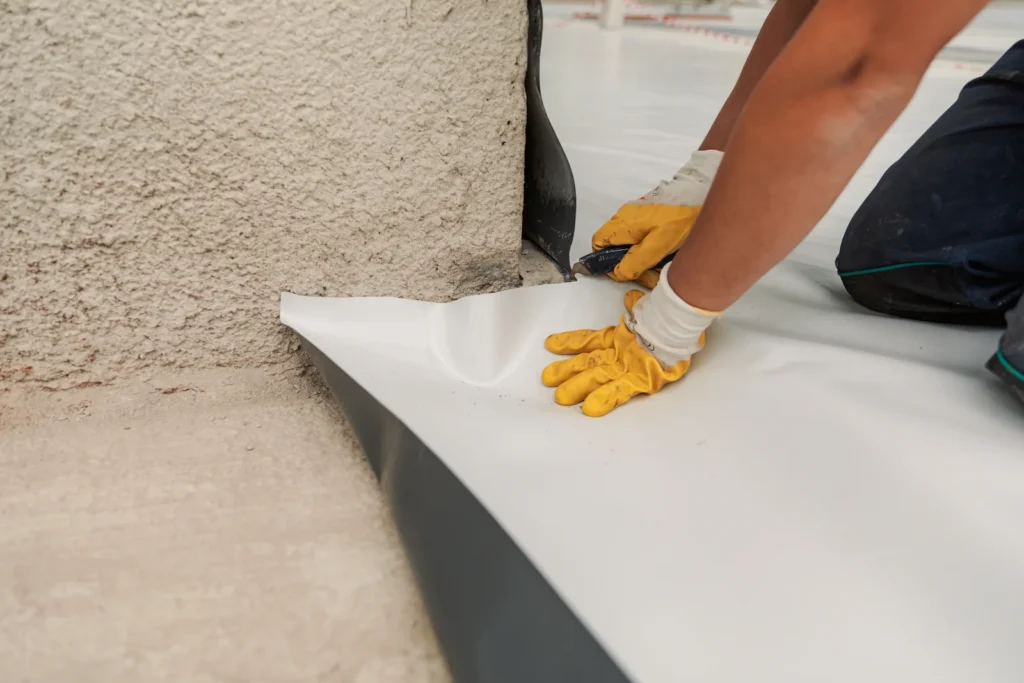
If you’re researching commercial roofing options, understanding the TPO roofing meaning is a good place to start. TPO stands for Thermoplastic Polyolefin Roofing, a single-ply membrane commonly used on commercial and industrial buildings with flat or low-slope roofs.
Unlike multi-layer roofing systems, TPO uses a single membrane to create a durable, weather-resistant roofing surface. It has become one of the most widely specified commercial roofing materials for combining durability, energy efficiency, and installation flexibility. Today, it remains a popular choice for warehouses, retail centers, office buildings, schools, and other low-slope commercial properties.
The Technology Behind TPO Roofing
TPO’s performance comes from two key features: a reflective membrane and heat-welded seams.
The membrane helps reduce heat absorption, while heat welding fuses adjacent sheets into a continuous roofing system. Together, these features help improve energy efficiency, weather resistance, and long-term durability.
For many building owners, that’s what makes TPO an attractive option for flat and low-slope commercial roofs.
Why Heat-Welded Seams Matter
Seams are often where roofing systems fail. Unlike materials that rely on adhesives or sealants, TPO membranes are heat welded together to create strong, watertight connections.
This reduces potential leak points and is one of the primary reasons TPO remains popular on commercial roofs.
What Makes TPO Roofing Popular?
The rise of TPO roofing didn’t happen by accident.
Building owners wanted a roofing system that offered durability, energy efficiency, and cost-effectiveness without the complexity of some traditional commercial roofing materials.
TPO successfully filled that gap.
Today, it is frequently selected because it balances performance and affordability while meeting the demands of modern commercial buildings. However, understanding both the strengths and limitations of the system is essential before making a decision.
TPO Roofing Benefits
Energy Efficiency
Most TPO roofing systems feature a white or light-colored surface designed to reflect sunlight. This reflective membrane helps reduce heat absorption, keeping roof temperatures lower during warmer months.
Benefits may include:
- Lower cooling demands
- Reduced energy consumption
- Improved indoor comfort
- Less thermal stress on roofing materials
For large commercial facilities with extensive roof areas, these savings can become significant over time.
Strong Seam Performance
As discussed earlier, heat-welded seams create one of TPO’s biggest advantages.
Because the seams are fused together rather than simply adhered, they often provide excellent long-term waterproofing performance when properly installed.
Lightweight Construction
TPO roofing systems are relatively lightweight compared to some commercial roofing alternatives. This can simplify installation and reduce structural concerns for certain buildings.
Flexibility
Commercial roofs experience expansion and contraction throughout the year. TPO membranes remain flexible, helping them accommodate normal building movement and temperature fluctuations.
Wide Commercial Use
Because TPO has been installed on millions of square feet of commercial roofing, contractors are familiar with the system, and manufacturers continue to invest heavily in product development.
TPO Roof Pros and Cons
No roofing system is perfect. Understanding both the advantages and disadvantages of TPO helps building owners make informed decisions.
Pros
- Reflective membrane improves energy efficiency
- Heat-welded seams provide strong waterproofing performance
- Lightweight and versatile
- Suitable for many commercial buildings
- Generally cost-effective compared to some alternatives
Cons
- Product quality can vary between manufacturers
- Improper installation can lead to seam failures
- Long-term performance depends heavily on workmanship
- May be vulnerable to punctures from rooftop traffic if not properly protected
The quality of installation often has as much impact on performance as the membrane itself.
Is TPO Roofing Right for Flat Roofs?
TPO is most commonly installed on flat and low-slope commercial roofs.
Its lightweight design, flexibility, and heat-welded seam technology make it particularly well-suited for large roof areas commonly found on:
- Warehouses
- Distribution centers
- Manufacturing facilities
- Schools
- Retail buildings
- Office complexes
For many commercial properties, TPO offers an effective balance of performance and cost.
However, building-specific conditions should always be evaluated before selecting a roofing system.
How Long Does a TPO Roof Last?
The lifespan of a TPO roof depends on several factors, including:
- Membrane thickness
- Installation quality
- Climate conditions
- Maintenance practices
- Rooftop traffic
- Drainage performance
Most commercial TPO systems provide approximately 15 to 30 years of service when properly installed and maintained.
Regular inspections can help identify small issues before they become larger roofing problems.
As with any roofing system, preventative maintenance often plays a major role in maximizing lifespan.
Contact Show Me Coatings Today for a Free Roof Inspection Before Making a Major Roofing Investment.
What Can Shorten the Life of a TPO Roof?
Several factors can reduce performance over time.
Poor Installation
Even high-quality materials can fail if installation standards are not followed. Improper seam welding, flashing details, and attachment methods may compromise long-term performance.
Standing Water
Although TPO performs well in many commercial environments, prolonged standing water can create stress on any roofing system if drainage problems are not addressed.
Lack of Maintenance
Ignoring minor damage often leads to more expensive repairs later. Routine inspections help identify developing issues before they affect the entire roof system.
Excessive Foot Traffic
Frequent rooftop activity around HVAC equipment and service areas may increase wear if protective walk pads or designated pathways are not used.
TPO vs. Other Commercial Roofing Systems
| Roofing System | Key Advantage | Considerations |
| TPO | Reflective membrane, heat-welded seams, energy efficiency | Installation quality is critical for long-term performance |
| EPDM | Proven durability and flexibility | Typically less reflective than TPO |
| PVC | Strong chemical and grease resistance | Higher upfront cost than many alternatives |
| Metal Roofing | Exceptional lifespan and durability | Higher initial investment; may require restoration over time |
| Roof Coating Systems | Extends roof life without full replacement | Requires an existing roof that is suitable for restoration |
TPO is often selected because it balances energy efficiency, seam strength, and cost-effectiveness. However, the best roofing system is the one that aligns with your building’s condition, budget, and long-term goals.
Is TPO Roofing the Right Investment?
TPO remains one of the most popular commercial roofing systems because it delivers strong performance, energy efficiency, and reliable waterproofing when properly installed.
However, selecting a roofing system should never be based solely on popularity. Factors such as roof condition, building use, maintenance expectations, and long-term ownership goals all influence whether TPO is the right fit.
A professional roof evaluation can help determine whether TPO, restoration, or another roofing solution offers the greatest value.
Frequently Asked Questions About TPO Roofing
Is TPO roofing better than EPDM?
TPO and EPDM are both popular single-ply roofing systems. TPO is typically chosen for its reflective surface and heat-welded seams, while EPDM is known for its flexibility and long service history. The right choice depends on the building, climate, and performance goals.
Can a damaged TPO roof be repaired?
Yes. Many TPO roofs can be repaired if damage is limited to specific areas. Common repairs include seam reinforcement, puncture repairs, flashing repairs, and membrane patching. Early intervention helps prevent more extensive damage.
How thick is a commercial TPO membrane?
Commercial TPO membranes are commonly manufactured in 45-mil, 60-mil, and 80-mil thicknesses. Thicker membranes generally provide greater puncture resistance and durability.
What causes TPO roofing systems to fail?
Premature failure is often linked to poor installation, seam issues, inadequate drainage, excessive rooftop traffic, or deferred maintenance rather than the membrane itself.
Can TPO roofing improve building energy efficiency?
Because most TPO membranes are highly reflective, they can help reduce rooftop heat gain and lower cooling demands in warm weather, particularly on large commercial buildings.
Is TPO roofing suitable for warehouses and industrial buildings?
Yes. TPO is widely used on warehouses, manufacturing facilities, distribution centers, retail buildings, schools, and office properties because it performs well on large low-slope roof areas.
How do I know if my building is a good candidate for TPO roofing?
A professional roof assessment can evaluate factors such as roof design, drainage, building use, budget, and long-term ownership plans to determine whether TPO is the right roofing system.
The Right Roofing System Starts With the Right Information
TPO roofing offers a combination of energy efficiency, seam strength, and durability, but the right roofing system depends on your building’s needs.
Understanding how TPO performs can help you make a more informed decision—and choose a solution that delivers long-term value, not just short-term savings.
Also Worth Reading
10 Warning Signs Your Roof Needs to Be Replaced Before Major Damage Occurs
Ready to Evaluate Your Roofing Options?
Book Your Free Commercial Roof Assessment — Contact Show Me Coatings Today.
Show Me Coatings serves commercial and industrial property owners across Missouri and Iowa, specializing in roof coating, metal roof restoration, membrane restoration, and fabric-reinforced roofing systems. Office: 660-956-0141 | 24hr Emergency Line : 660-216-1932